
Ethernet cable
Twisted pairs are used to cancel the electromagnetic waves generated when current flows, and round cables are much better than flat cables
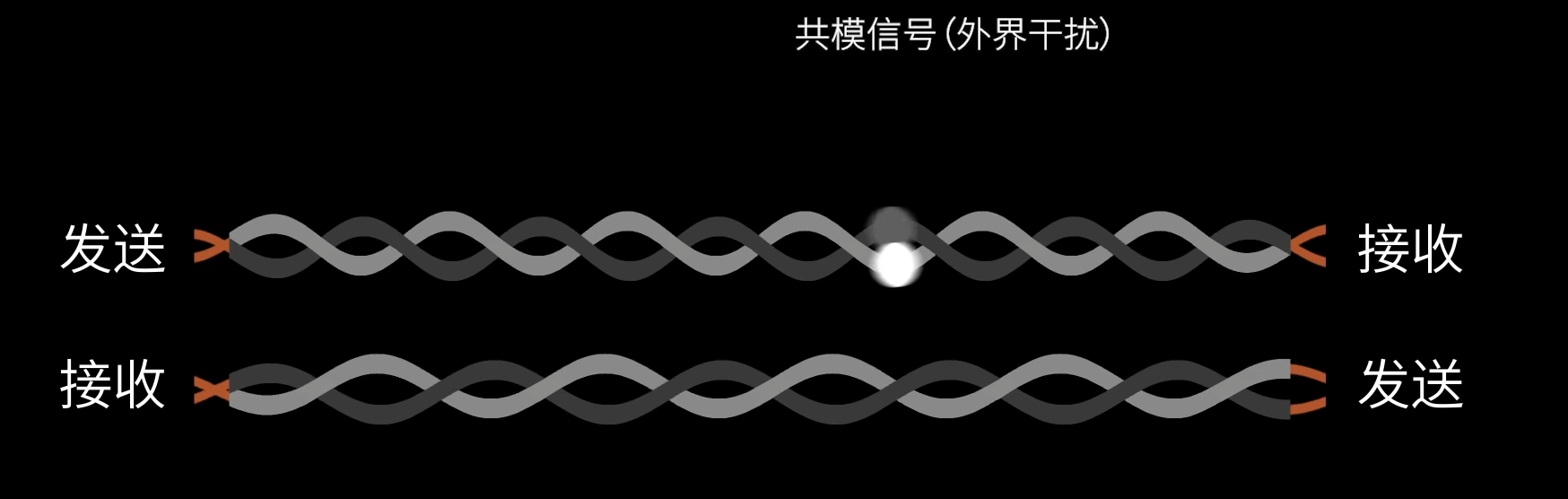
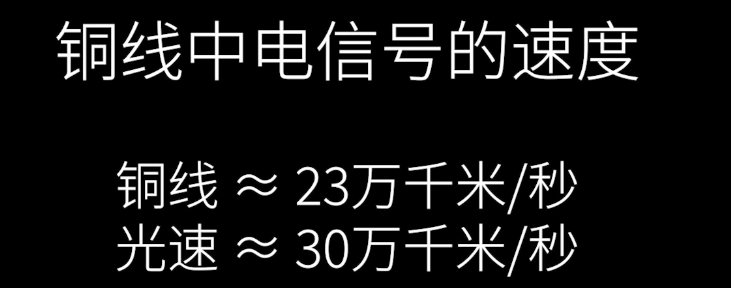
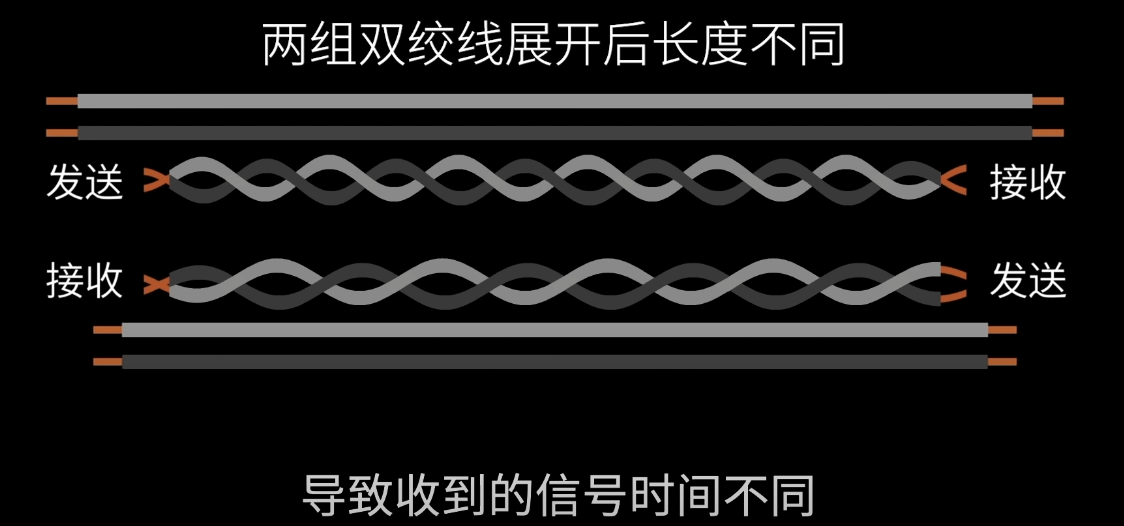
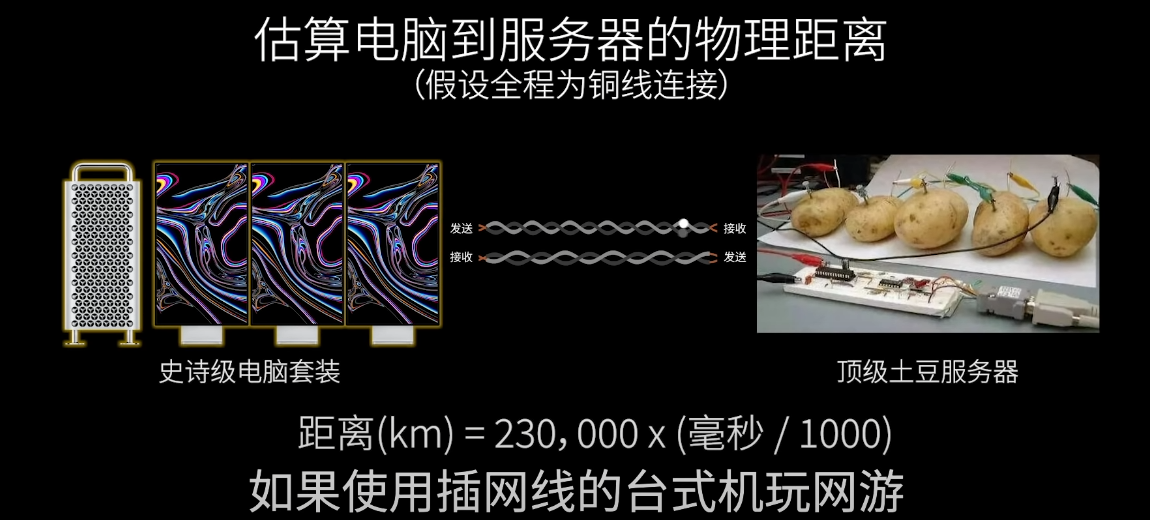 Different lengths of the twisted pairs for receiving and sending causedelay skew(severe). By setting standards for twisted pairs and setting a fixed value for the skew, point to device can handle delay skew on its own
 Telephone lines are analog signals, data is digital signals. Compared with analog signals, digital signals have higher requirements for the cable material
Starting from category 5 cable, all Ethernet cables are 4 groups of twisted pairs
Standards



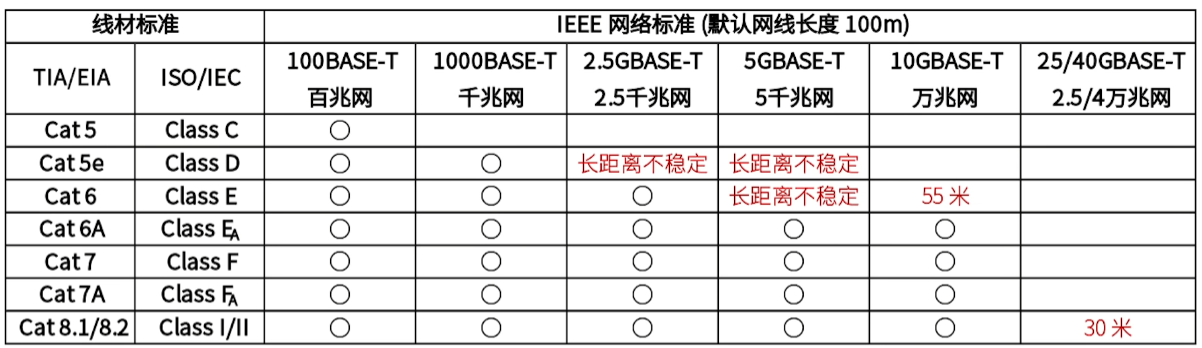
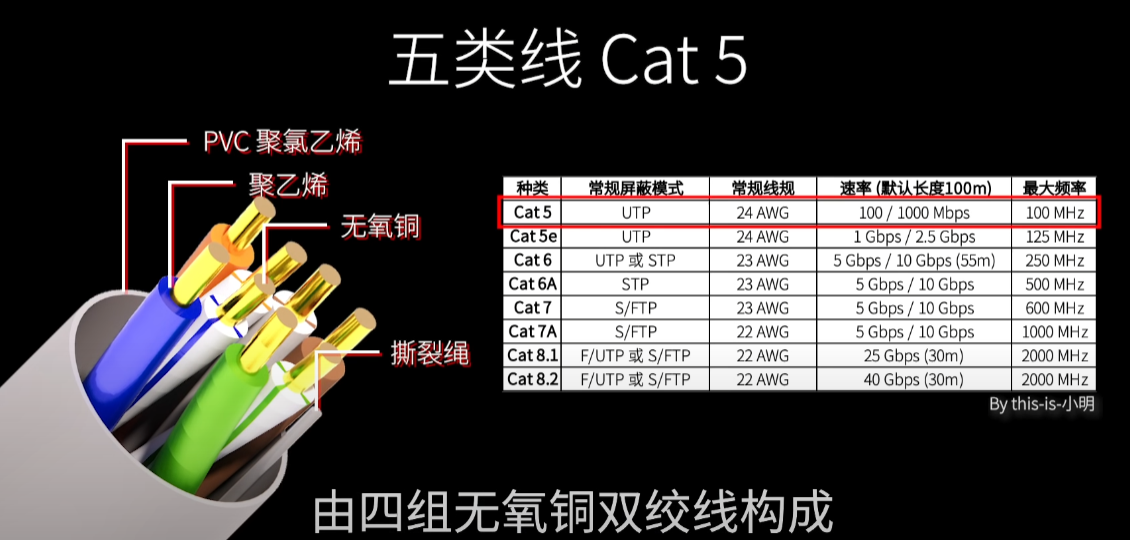
AWG: American Wire Gauge
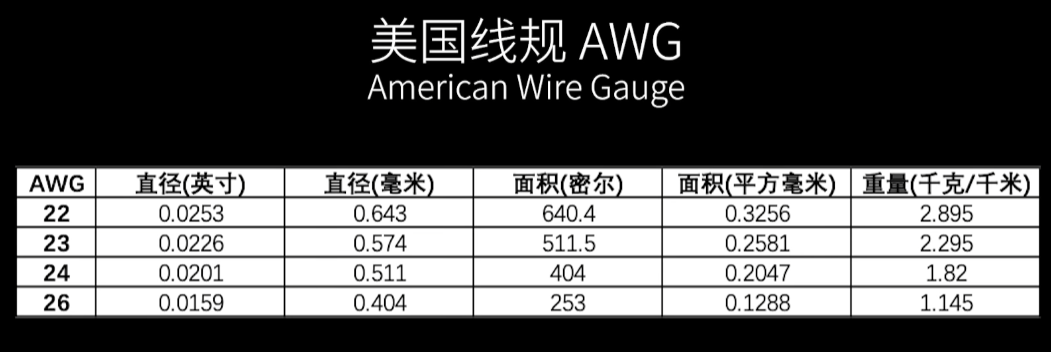
Starting from category 6 cable, because of the upgrade in wire gauge, cables are getting thicker and thicker, making it very difficult to pull and replace cables during home wiring. It is recommended to leave a few optical fibers when embedding cables, to facilitate FTTR fiber to the room in the future

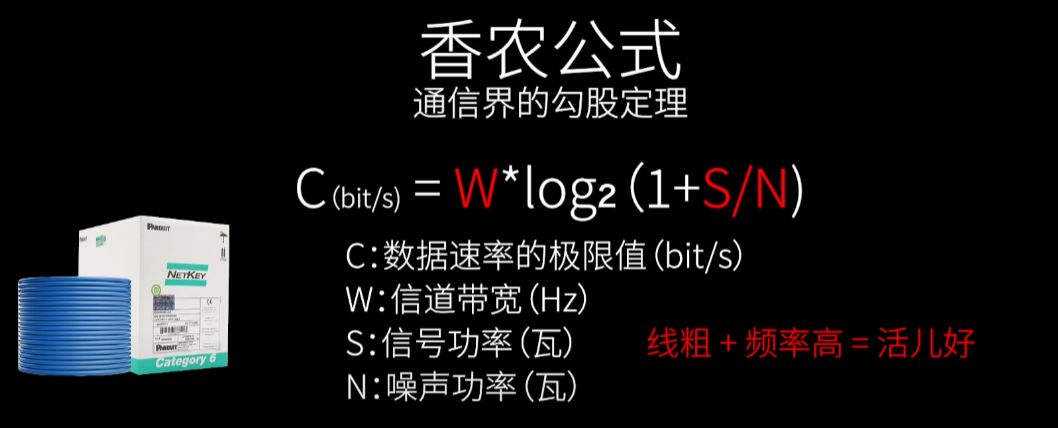
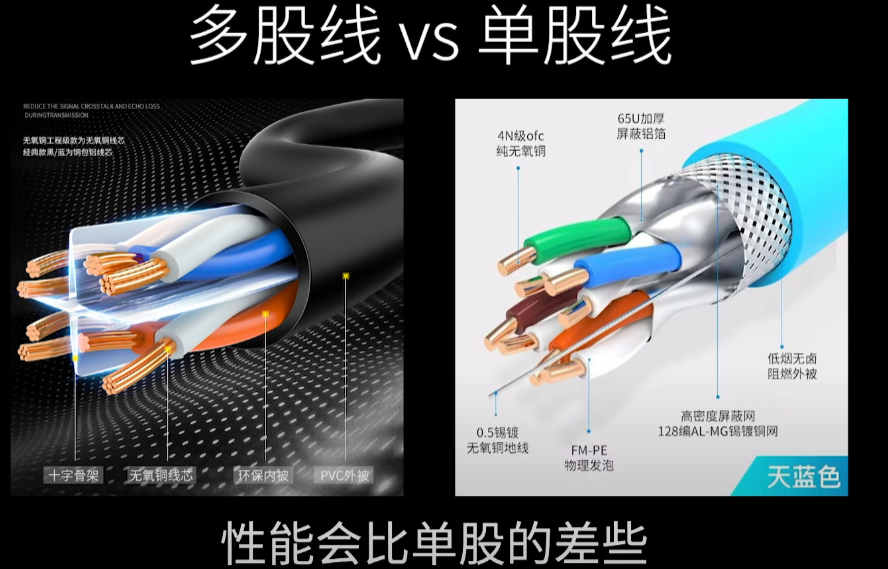 For ultra soft cables and flat cables, the shielding effect is usually poor or the performance does not meet standards